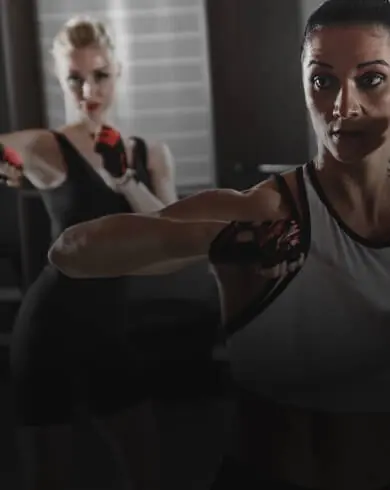
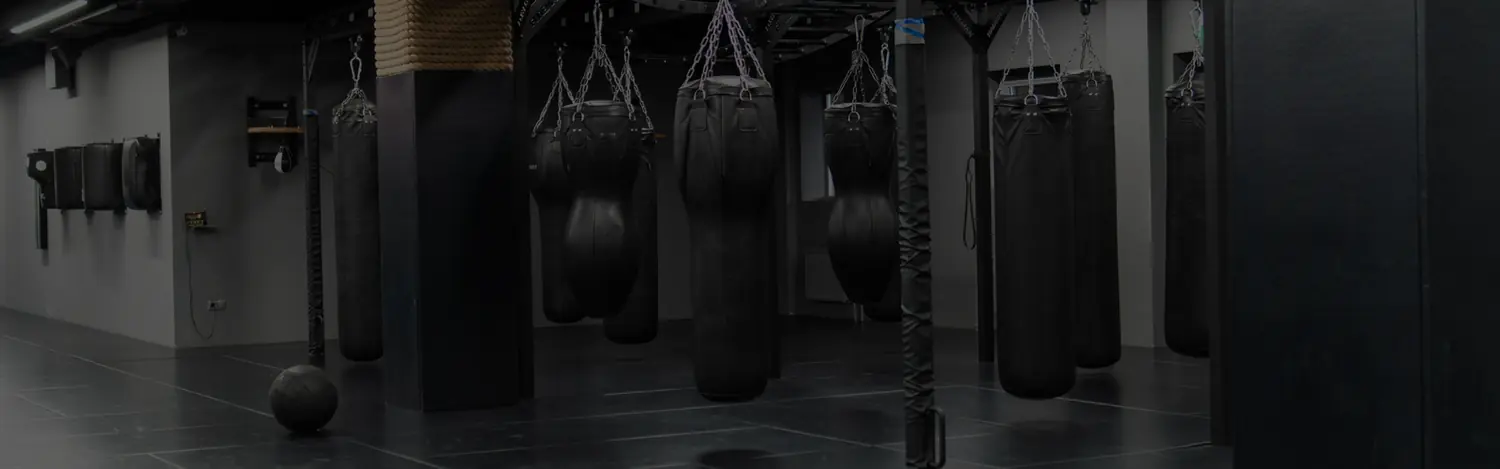
Ask any coach which punch to master first and the answer is always the same: the jab. It scores points, controls distance, sets up every other shot, disrupts your opponent's rhythm and keeps you safe on the way in and out. A fighter with a great jab is difficult to beat; a fighter without one is easy to hit. This guide breaks the jab down the way we teach it at Boss Fight Club in Kyiv, step by step.
The jab, step by step
From your boxing stance — lead foot forward, hands high, chin tucked, weight balanced on the balls of your feet — the jab is thrown with your lead hand (the left for an orthodox fighter, the right for a southpaw).
- Fire straight from the chin. The fist travels in a direct line to the target. Do not drop it or wind up — that telegraphs the punch.
- Rotate the fist. Turn your hand so the palm faces the floor at the moment of impact. This adds snap and lands with the two big knuckles.
- Extend, don't reach. Full extension comes from a small push off the lead foot and a slight shoulder turn, not from leaning your bodyweight forward.
- Protect your chin. As the lead hand goes out, your lead shoulder rises to shield your jaw and your rear hand stays glued to your cheek.
- Snap it back. The retraction is as important as the punch. Bring the hand straight back to guard on the same line — a lazy return is an invitation to get countered.
The 6 most common jab mistakes
- Dropping the hand before you punch. Telegraphs the shot and leaves your chin open.
- Pawing. A soft, armed jab with no snap. Turn the shoulder and rotate the fist to put intent behind it.
- Leaning in. Overcommitting your weight ruins your balance and your ability to follow up or defend.
- Dropping the rear hand. Your back hand must stay home to guard against counters.
- Holding the jab out. Leaving the arm extended lets a smart opponent time and counter you.
- No breathing. Exhale sharply on every jab. It tightens the core and adds power.
3 drills to sharpen your jab
1. Mirror jabs. Three rounds in front of a mirror focusing purely on form — straight line out, fist rotation, shoulder up, snap back. Watch for the six mistakes above.
2. Double and triple jabs on the bag. Throw two and three jabs in quick succession, resetting your stance each time. This builds the habit of using the jab to walk an opponent down.
3. Jab at the tennis ball. Hang a tennis ball on a string at eye level and jab it. It trains accuracy, timing and a fast return because a slow hand gets hit by the swinging ball.
How long until it feels natural?
With two or three focused sessions a week, most beginners have a clean, functional jab within a month and a genuinely sharp one within three. The jab rewards repetition more than any punch in boxing — the fighters with the best jabs have simply thrown the most of them.
Want a coach to correct your form in real time? Our boxing classes in Kyiv drill fundamentals like the jab in every session. Book your first class.